CTA welcomes EU whole-plant hemp proposals and seeks clarity on CBD
Whole-plant hemp proposals: what happens next for CBD?

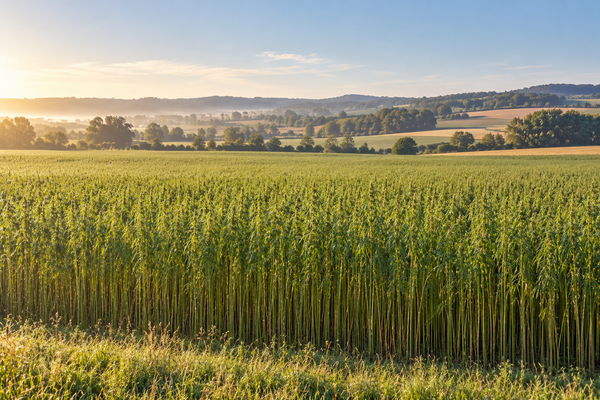
On 19 October, the Council agreed its partial negotiating position on proposed changes to the Common Market Organisation for agricultural products, as part of the EU’s framework for 2028–2034.
The position supports harmonising hemp production and marketing rules across EU member states, with the sector covering all plant parts. Certified-seed requirements and a 0.3% THC threshold would remain, alongside safeguards protecting national policies on drugs, public health and security. The proposal still requires negotiations with the European Parliament. (consilium.europa.eu)
For the CTA, this direction recognises the importance of considering hemp as a crop with multiple commercial applications. More consistent rules could support investment and supply-chain development. However, agricultural recognition should not be interpreted as unrestricted permission to use every plant part in any finished product.
The proposed UK–EU SPS Agreement creates a further issue for British CBD businesses. Although intended to reduce barriers to agrifood trade, the agreement would also involve alignment with relevant EU rules, including those governing novel foods.
The Food Standards Agency’s September board paper states that, without an agreed exception, EU authorisation would be required to market CBD novel foods in Great Britain. Businesses would apply through the EU system, and Great British authorisations would cease to apply. (gov.uk)
This raises significant questions for businesses that have invested in British applications, safety evidence and regulatory compliance. Government guidance identifies mid-2027 as the intended implementation date, subject to negotiations, with detailed arrangements still being finalised. (gov.uk)
The UK–EU summit in Brussels on 20 November provides an opportunity to seek answers. Agrifood rules are among the areas in which leaders will review progress. (consilium.europa.eu)
Marika Graham-Woods, CEO and Chairman of the Cannabis Trades Association, said:
“Recognising the whole hemp plant within agricultural policy is a welcome step. Farmers and businesses need a framework that allows them to develop the crop’s commercial potential responsibly.
“However, recognition must be supported by workable routes to market. British CBD businesses have committed substantial time and resources to the UK regulatory process. They need to know how their applications, evidence and any authorisations will be treated under an SPS agreement.
“Ahead of the November summit, we are calling for clear answers on exceptions, transitional arrangements and continued market access. Businesses cannot plan investment and production around unresolved regulatory questions.”
The CTA supports measures that simplify trade and maintain consumer protection. It urges the UK Government to explain how those objectives will be delivered for hemp and CBD businesses, including those whose products are sold solely within Britain.
No. The Council has agreed a negotiating position supporting agricultural rules covering all hemp plant parts. Further negotiations are required, and safeguards for national drugs, health and public security rules remain.
No. Recognising hemp within agricultural policy does not replace the separate authorisation requirements for CBD novel foods.
The FSA has stated that, without an agreed exception, EU novel food authorisations would replace Great British authorisations under the proposed agreement. Businesses need clarity on the treatment of existing authorisations, pending applications and transitional arrangements.