Beyond the Basics: Why functional fungi need a more mature regulatory conversation
A category growing faster than its framework

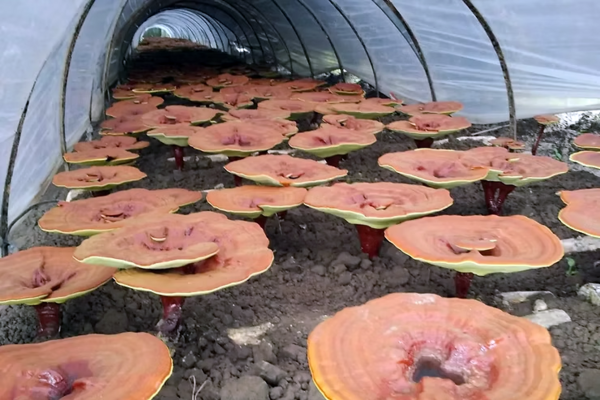
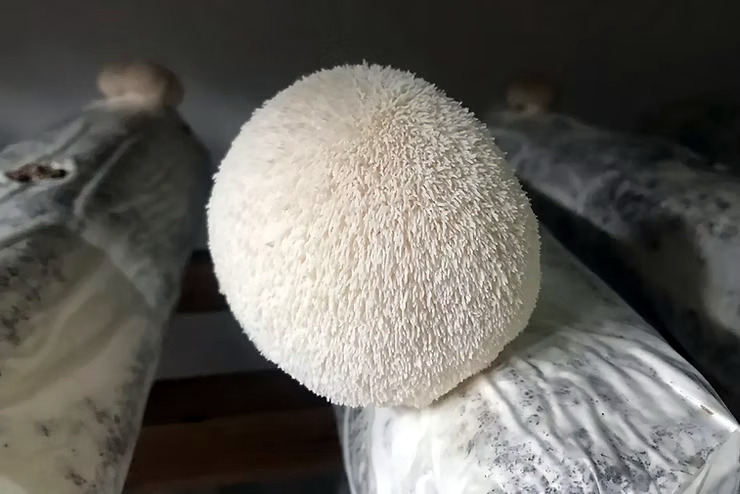
Functional fungi, including species such as Cordyceps, Chaga, Lion’s Mane and Reishi, are the most popular species now being explored across a wide range of product formats. Other emerging species are Tremella, Shiitake and Maitake. Yet in the UK and EU, the route to market is determined not by tradition alone, but by regulatory classification. Where a product cannot demonstrate a history of significant consumption prior to 15 May 1997, it is likely to fall within the scope of Novel Foods legislation.
That is not just a technical hurdle. It is a structural gateway that affects who can participate in the market and on what basis.
The challenge lies in the nature of fungi themselves. Unlike isolated compounds, fungi are biologically complex and highly variable. Species matters. Strain matters. The fungal material itself matters, whether that is fermented liquid mycelium, mycelium-on-grain or fruiting body. The cultivation method matters. And critically, the extraction process matters.
A fruiting body powder, a mycelium-on-grain material and a concentrated extract may all originate from the same species, yet they may be treated as materially different products under regulatory scrutiny. This creates a fragmented compliance landscape in which assumptions can quickly become risky.
Each product needs its own evidence base, supported by clear identity, compositional analysis, excipient screening and, where required, toxicological data.
Alongside this sits the ongoing question of historical use. Evidence of pre-1997 consumption is being actively pursued across the sector, but the threshold for what constitutes significant use remains difficult to interpret in practice. Traditional use outside Europe does not automatically translate into regulatory acceptance within the UK or EU.
At the same time, questions around identity and authenticity are becoming more important. Recent discussions within the sector have highlighted the lack of authenticated fungal reference materials. Without verified reference standards, confirming species identity, purity and consistency becomes more difficult, particularly as supply chains become more international.
This is not a theoretical issue. It goes directly to the heart of compliance. If a product cannot be reliably identified and reproduced from batch to batch, it becomes harder to support safety, maintain consistency and build confidence in the market.
For businesses, this adds another layer of responsibility. It is no longer enough simply to source an ingredient. It must also be verified, traceable and supported by the right documentation.
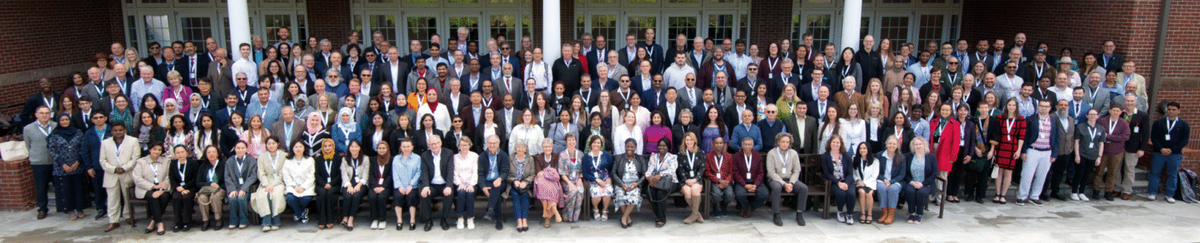
In April 2026, Nammex highlighted at the International Congress on Science of Botanicals (ICSB 2026) what it described as an urgent need for authenticated fungal reference materials, particularly to support species verification, method validation, cross-laboratory alignment and wider standards development.
While details will continue to evolve, MUSHEEZ® and the CTA welcome this direction of travel. Stronger authenticated reference materials and better analytical alignment can only help improve quality, consistency and regulatory confidence across the functional fungi sector.
As seen in other regulated categories, regulatory processes can move slowly, creating extended periods of uncertainty. During that time, compliant businesses often carry the cost of doing things properly while less responsible operators continue to trade with relative ease.
Without consistent enforcement, regulation risks becoming theoretical rather than practical. This is particularly relevant in online retail, where standards can vary widely and oversight may be uneven.
For the CTA, these are practical realities. Experience across regulated product categories provides a clear framework for navigating this kind of environment.
Compliance has to be built in from the outset. That includes accurate labelling, responsible claims and supply chain transparency. It also means understanding laboratory data properly, so Certificates of Analysis are used as meaningful technical documents rather than superficial marketing assets.
There is also a growing need for sector-wide coordination. Building a credible evidence base for functional fungi, especially around identity, safety and historical use, will benefit from collective effort.
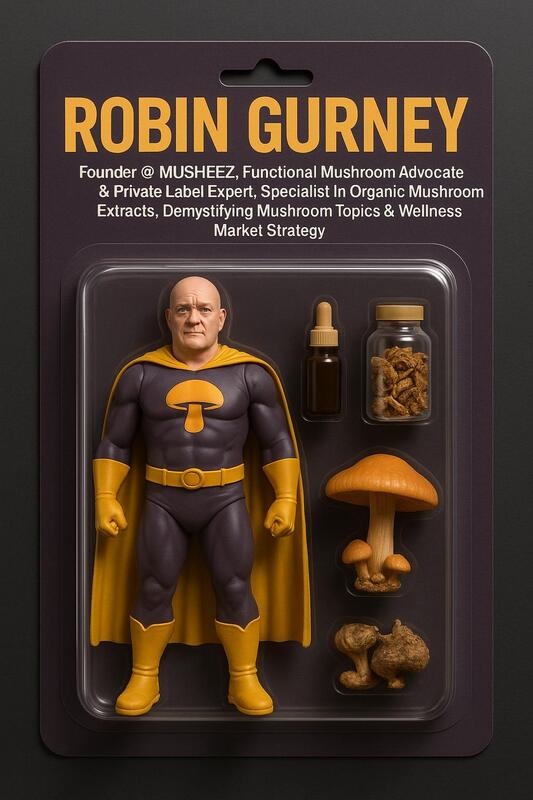
As Robin Gurney of MUSHEEZ® explains:
Functional fungi sit at an important point between tradition, science and regulation, and that balance needs to be handled carefully. The opportunity is significant, particularly as demand grows across food, beverage and food supplement markets, but it is only sustainable if the sector takes compliance seriously from the outset.
We have already seen what can happen when markets move faster than the evidence base, including recent uncertainty around species status and regulatory interpretation in parts of Europe. It creates confusion for consumers and unnecessary risk for responsible businesses.
What is needed now is a more disciplined approach. That means understanding species, extraction methods and product formats in a way that aligns with regulatory expectations, not just marketing narratives. It means investing in proper analytical work, traceability and batch consistency, and being prepared to stand behind the data that supports a product.
Businesses often ask regulators for clarity, and that is fair. But there is also a responsibility on the sector to meet that clarity halfway. Building a credible evidence base, demonstrating safety and being realistic about claims are all part of that process. If we get that right, functional fungi have the potential to become a respected and stable category within the wider food and natural products landscape.
The success of the sector will depend not only on consumer demand, but on its ability to demonstrate credibility under scrutiny. Regulators increasingly expect evidence, consistency, accountability and transparency, and those expectations are only likely to grow. Clear documentation, traceability and responsible communication will matter just as much as product quality itself.
Poor quality control, weak documentation or non-compliant marketing can quickly damage trust, not just in individual brands but in the category as a whole. Establishing credibility early is far easier than trying to rebuild it later. In a developing category such as functional fungi, honest positioning and transparency about what is known, what is supported and what still needs work are part of that credibility.
For the CTA, the role is both practical and strategic: helping responsible businesses navigate uncertainty while encouraging proportionate, evidence-based standards that support long term sector credibility.
That direction is closely aligned with MUSHEEZ® values: science-led thinking, realistic claims, stronger testing data, traceability and documentation that holds up under scrutiny.
Functional fungi are not simply another wellness trend. They represent a convergence of food, science and regulation that requires careful handling.
Businesses that operate with rigour, transparency and foresight will be better placed to succeed. Those that do not are likely to become increasingly exposed as regulatory expectations develop.
Because in this sector, fung-amentals matter.

MUSHEEZ® is a European supplier of certified organic functional mushroom extracts and related products for food, beverage and food supplement markets across Europe and other EU-aligned markets. Based in Estonia, the company supports more than 60 brands across 30 countries with traceable, batch-controlled ingredients, clear documentation and practical formulation insight to help bring compliant products to market with confidence.
MUSHEEZ® also publishes free reports on functional mushroom extract quality expectations, testing and product development, and welcomes meetings with CTA members at Fi Europe in Frankfurt in November this year.


